

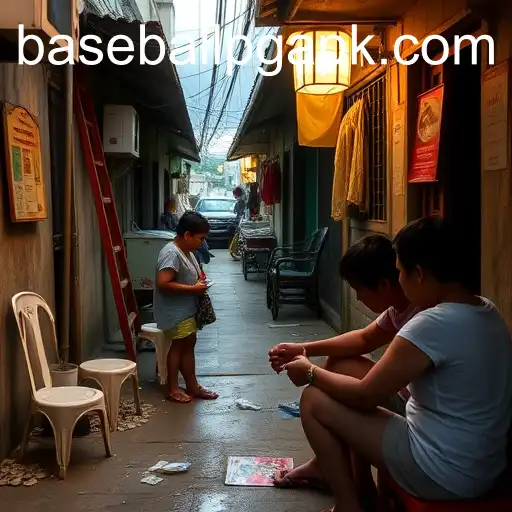

Jueteng remains one of the most controversial yet widely popular illegal numbers games in the Philippines. Despite numerous government crackdowns, its ability to embed itself into the nation's cultural fabric is unparalleled. The game's pervasive presence has made it both a topic of moral discourse and a socio-economic phenomenon. While some consider it a low-key form of entertainment, others see it as emblematic of systemic corruption.
Jueteng is believed to have its origins traced back to the traditional Chinese game of "hui", which was introduced to the Philippines during the Spanish colonization period. Over the years, it evolved, adopting local nuances and gaining massive traction, mainly in the Luzon region.
The mechanics of Jueteng are relatively simple, contributing to its widespread appeal. Players select a pair of numbers from 1 to 37, often guided by personal beliefs or superstitions. These numbers are then drawn in a lottery-style format. If a player's chosen combination is selected, they win a cash prize, which usually amounts to multiple times their initial bet.
One cannot comprehend the allure of Jueteng without considering the socio-economic context in which it operates. In many economically disadvantaged urban and rural communities, Jueteng is seen less as a gamble and more as an economic opportunity. For many, it represents a fleeting chance at substantial earnings in a landscape marked by economic disparity.
Local "cobradores" or collectors move from door to door, offering the game to avid bettors. These collectors are often locals themselves, which creates an extensive network that sustains the game's operations. The seamless integration of Jueteng into daily life blurs the lines between legality and cultural acceptance.
Jueteng operates in an illegal gray area, often protected and enabled by figures of authority. This symbiotic relationship between gambling operators and corrupt officials has been a public secret for decades. Various government actors allegedly receive financial incentives to keep enforcement lax and operations undisrupted.
The existence of Jueteng is often seen as indicative of larger corruption issues within the country. Political campaigns are rumored to be financed through the earnings of Jueteng, enabling candidates to secure their place in public office without resorting to legitimate fundraising methods.
Efforts to reform and eradicate Jueteng have been sporadic and inconsistently enforced. Official crackdowns often result in temporary cessation of activities, yet the game recirculates, highlighting the ineffectiveness of current anti-gambling laws.
Despite its illegal status, Jueteng has embedded itself into the cultural fabric of areas where it is prevalent. For many bettors, their chosen number combinations are reflections of dreams, superstitions, or even advice from "mangoong" or fortune-tellers. As a result, Jueteng holds a cultural significance that makes it difficult to eradicate.
Public perception of Jueteng is divided. While some view it as a detrimental societal element that perpetuates poverty and corruption, others argue in favor of its cultural value and entertainment quotient. Efforts to transition bettors to legal alternatives, such as the government-endorsed Small Town Lottery (STL), have not fully succeeded in diminishing Jueteng's charm.
Given the deeply rooted nature of Jueteng, effective reform requires multifaceted approaches. Legalizing and taxing Jueteng could establish a clear regulatory framework, although this comes with its own set of moral and ethical considerations. Alternatively, increased community engagement and education on the potential risks of gambling may also be beneficial in discouraging participation.
As conversations around Jueteng continue to evolve, the focus remains on addressing the underlying socio-economic conditions that fuel its existence. Parallels to other forms of illegal gambling across the globe underscore the universal challenge of balancing legality with cultural practices.

Explore the exciting world of BeachFun, a unique baseball role-playing game that combines the love for the sport with strategic gameplay on the sandy beaches.

Dive into GoHighGoneFishing, the dynamic new game blending fishing and baseballpg elements.

Explore the enchanting world of TreasuresnipesChristmas, the latest game sensation blending festive cheer with athletic prowess. Uncover its introduction, intriguing mechanics, and captivating rules.

DiamondFort offers an immersive gaming experience by combining the excitement of baseball with innovative role-playing elements, appealing to sports enthusiasts and gamers alike.

Discover the enchanting world of GemSaviourSword, an adventure that blends magic, strategy, and excitement. Delve into its captivating story, innovative gameplay, and intricate rules.

Discover the thrilling world of FieryFruitsMoreSpins, a captivating game that combines classic fruit machine elements with innovative spins. Learn about its features, gameplay, and connection to current trends in the gaming industry.
